
We make markets.
Algorithmic market-making across listed asset classes on the Dar es Salaam Stock Exchange and the Nairobi Securities Exchange. Equities, fixed income, ETFs, and derivatives, on one operating standard.
What we do, and what we're building.
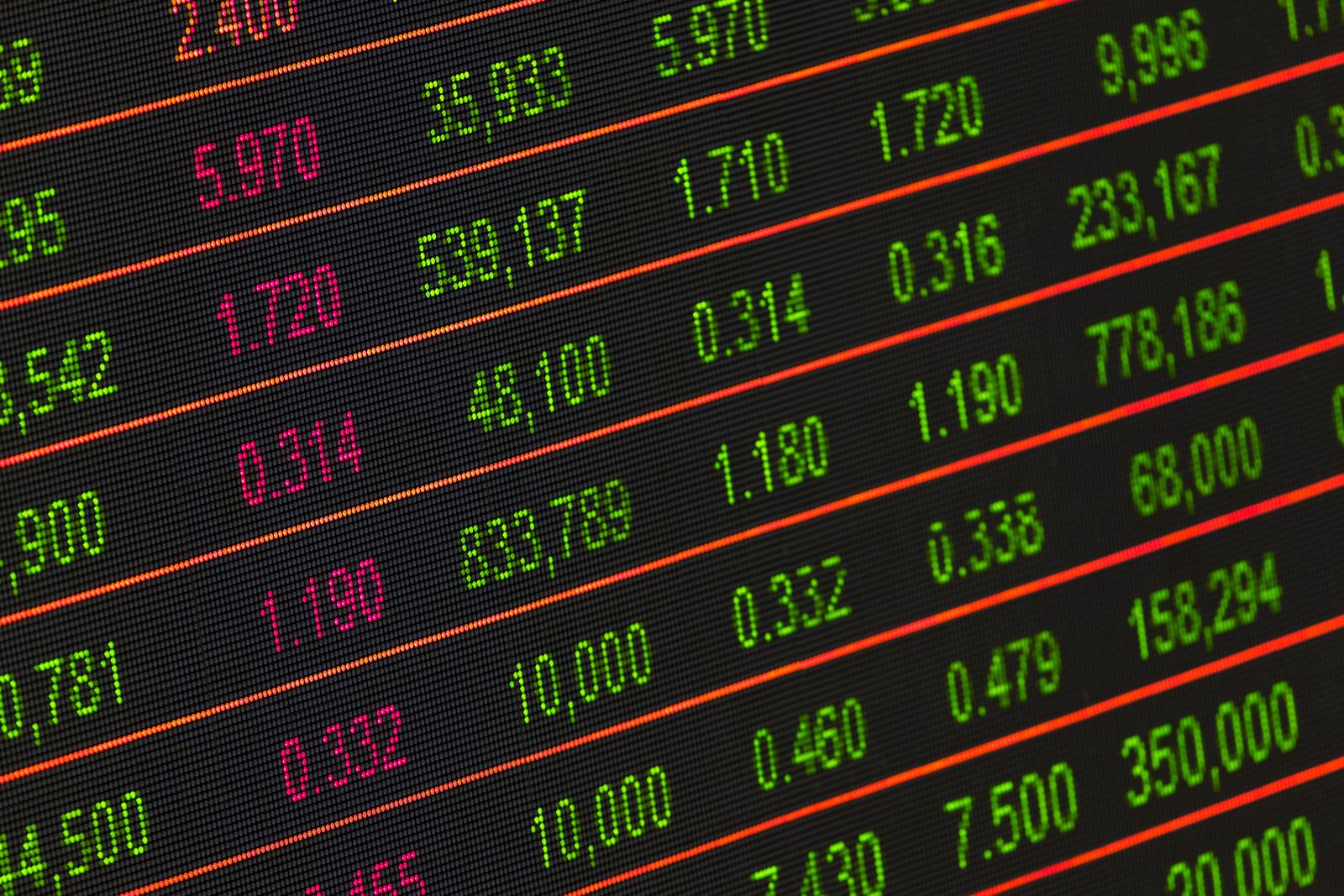

Asset classes we quote.
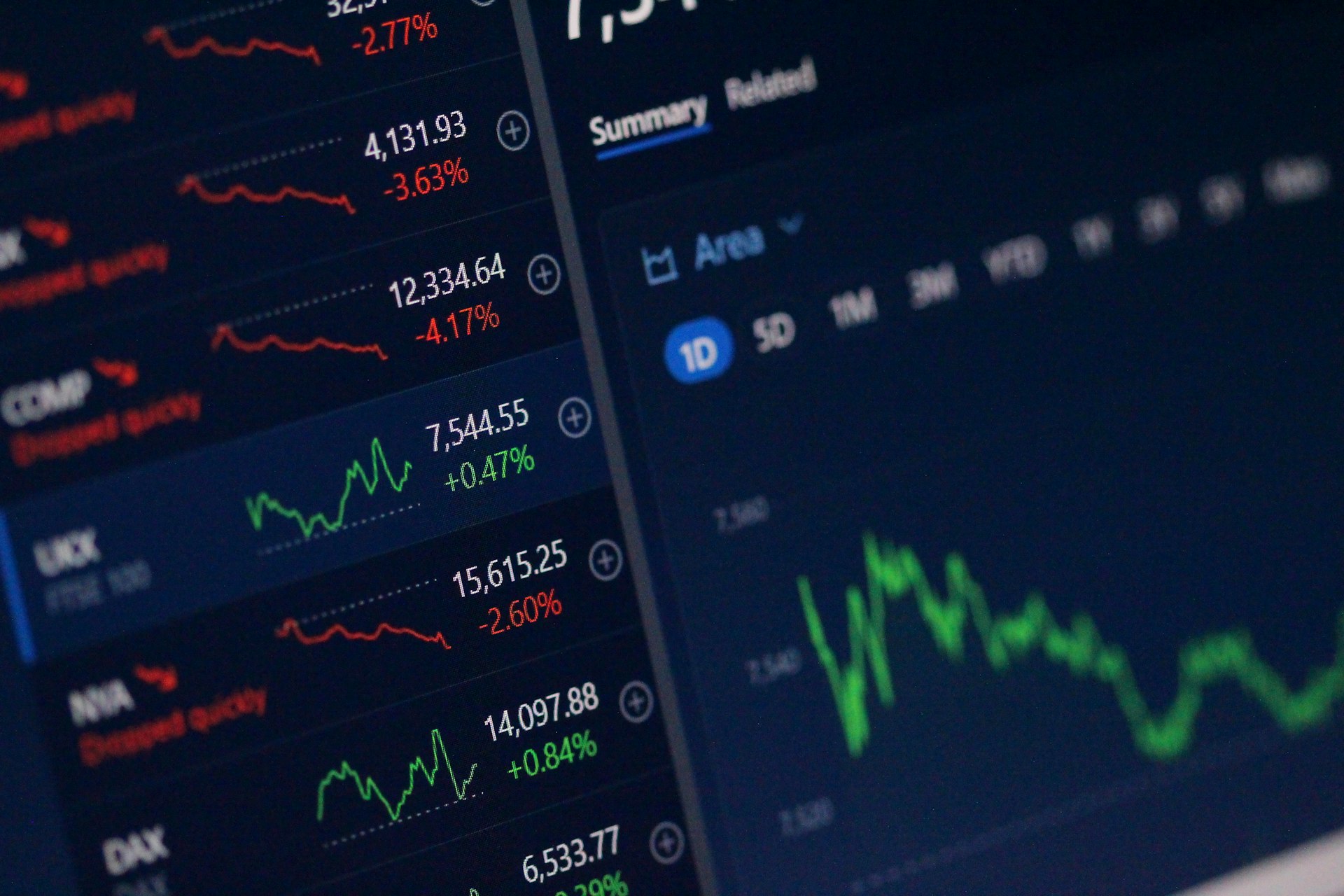



Machine learning sits at the core of how we quote.
One performance loop.
Technology
Low-latency quoting engines, exchange-native connectivity, and data platforms built for resilience.
Research
Statistical modelling, reinforcement learning, and microstructure research with a fast path to production.
Trading
Probabilistic reasoning on order flow, volatility, and risk, turning signal into market outcomes.
Clients
Direct liquidity for banks, brokers, and institutional desks, through dedicated coverage.
The second business, in build.
The same research, data, and risk engine behind our market-making work is being turned toward managing capital over longer horizons: a systematic investment business, in build.
It starts on the firm's own book, and we are working with regulators to open the path for pooled and external mandates as East African hedge-fund frameworks mature.
See what we are building
One operating standard, every market.
Shabba applies the same operating model in every market it works in. The asset class changes from venue to venue. The pricing engine, risk discipline, and regulatory posture do not.
Each jurisdiction we work in sits inside its own ring-fenced entity, built around the framework that regulator sets. The technology stack is shared. The local relationships and accountability are not.
Algorithmic, continuous
Two-sided quoting, model-driven pricing, sub-second quote updates. The same engine runs across cash equities, fixed income, ETFs, and derivatives. Differences sit in the product layer, not the system layer.
Risk before P&L
Pre-trade checks, position limits, real-time monitoring, automated kill-switches. The same risk standard applies in every jurisdiction we work in. Calibrated to the market structure of each venue, never relaxed.
Regulator first, trade second
A ring-fenced operating entity in each market, built around the framework that jurisdiction’s regulator sets. Our focus is the DSE in Tanzania and, in Kenya, an active pilot programme with the NSE. One operating standard, one brand, separate corporate vehicles where regulators require them.